
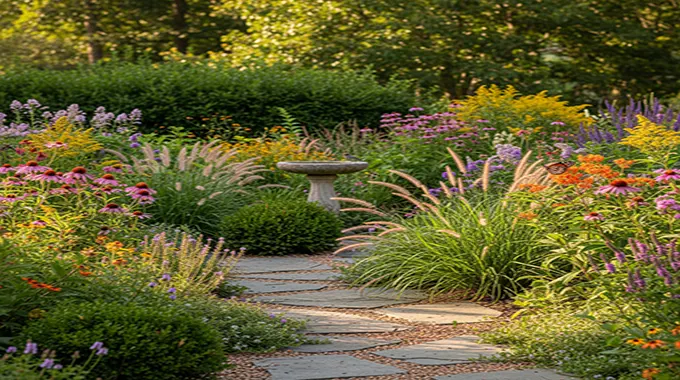
In an era where environmental stewardship is paramount, our gardens are transforming from purely aesthetic spaces into vital ecological sanctuaries. The secret to this sustainable shift? Native plants. By choosing species that naturally belong to your region, you unlock a powerful, low-maintenance, and eco-friendly approach to garden design.
Native plants have spent millennia evolving alongside local conditions—the soil, the climate, and the wildlife. This deep adaptation makes them the cornerstone of a truly sustainable landscape.
The Core Benefits of Going Native
Using native flora isn’t just a trend; it’s a commitment to ecological health that offers tangible benefits for your garden and the planet:
- Water Conservation: Native plants are naturally adapted to your local rainfall patterns, meaning they are often highly drought-tolerant once established. This significantly reduces the need for supplemental irrigation compared to water-thirsty exotic species.
- Boost Local Biodiversity: These plants provide the specific food and shelter that local pollinators (like native bees and butterflies) and other beneficial insects, birds, and small mammals rely on. You are creating a critical, living habitat right in your backyard.
- Low Maintenance: Since they thrive in the local soil and are resistant to native pests and diseases, you’ll spend less time on watering, fertilizing, and applying chemicals. This translates to less work and lower long-term costs.
- Improved Soil Health: Many native species have deep, extensive root systems that help improve soil structure, enhance water infiltration, and prevent erosion, especially on slopes.
Eco-Friendly Garden Design Ideas
Ready to transform your garden into a beautiful, resilient haven? Here are key design ideas centered on native plants and sustainability:
1. Embrace Natural Layering (The “Right Plant, Right Place” Principle)
Mimic the structure of a natural ecosystem by planting in layers. This not only looks more authentic but provides crucial habitat diversity.
- Canopy: Use native trees (like oak, maple, or specific native fruit trees) for shade and structure.
- Understory: Plant native shrubs and smaller trees beneath the canopy for mid-level shelter and seasonal interest.
- Herbaceous Layer: Fill in the gaps with native perennial flowers, grasses, and ferns that offer year-round color and food for pollinators.
- Groundcover: Use native creeping plants or low-growing flowers as a living mulch to suppress weeds and hold moisture.
2. Design with Water in Mind: Rain Gardens and Swales
Integrate water management into your design to conserve water and prevent runoff.
- Create a Rain Garden: A rain garden is a shallow depression planted with water-tolerant native species. It’s strategically placed to capture rainwater runoff from roofs, driveways, or lawns, allowing the water to slowly filter into the ground rather than overwhelming storm drains.
- Harvest Rainwater: Install a rain barrel beneath a downspout. This collected rainwater is perfectly suited for irrigation and reduces your reliance on municipal supplies.
3. Replace Your Lawn with a Native Meadow or Groundcover
Traditional lawns are a major drain on water and time. Consider replacing all or part of your turfgrass with a more eco-friendly alternative:
- Native Meadow: Plant large drifts of native grasses and wildflowers. This creates a stunning, dynamic landscape that requires little to no mowing or watering after establishment.
- Native Groundcover: Choose a low-maintenance native plant that can handle light foot traffic as a lawn substitute. This drastically cuts down on maintenance and water use.
4. Group Plants with Similar Needs (Hydrozoning)
Arrange plants with similar water, sunlight, and soil needs together. This simple technique, known as hydrozoning, makes watering much more efficient, as you only irrigate areas that truly need it. For instance, drought-tolerant natives can be grouped in a dry area away from downspouts.
5. Utilize Natural and Recycled Hardscaping
When defining paths, borders, or seating areas, choose materials that are local, recycled, or permeable.
- Permeable Paths: Opt for gravel, wood chips, or permeable pavers over solid concrete to allow rainwater to soak into the soil.
- Organic Edging: Use natural stones or repurposed wood to delineate garden beds and maintain a naturalistic look.
The First Step: Know Your Region
The most important rule in eco-friendly garden design is to select plants native to your specific local ecoregion. A plant native to the coast will not thrive in a mountain environment, even if it’s from the same country.
- Research: Consult your local agricultural extension office, native plant society, or botanical gardens for a list of truly indigenous species for your area.
- Analyze: Test your soil (pH and drainage) and monitor the sun exposure across your yard. Match your chosen native plants to your specific microclimate.
By embracing native plants, you are not just gardening; you are engaging in restorative ecology, creating a beautiful outdoor space that is healthy, resilient, and contributes meaningfully to your local environment.

