
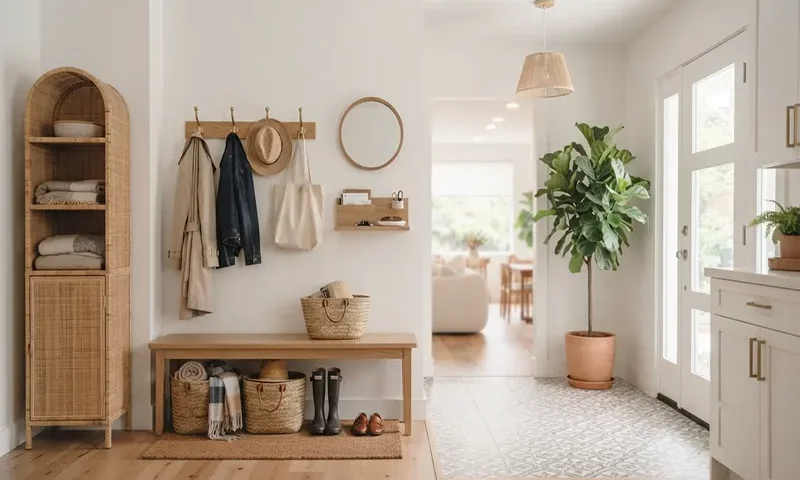
Signature Homestyle Organization Solutions for Small Entryways and Mudrooms
The entryway is undoubtedly the hardest-working transition zone in any home. It bears the brunt of muddy boots, wet umbrellas, stray keys, and heavy coats. Yet, paradoxically, it is frequently the smallest, most cramped space in the house. Without a sprawling custom mudroom, corralling daily clutter can feel like an uphill battle.
However, lack of square footage does not mean sacrificing order or beauty. Implementing clever, signature homestyle organization solutions transforms even the most compact entryway or drop zone into a welcoming, highly functional threshold that sets a serene tone for the rest of your home.
The Psychology of the Drop Zone: Decluttering Compact Spaces
Before investing in bins, hooks, or furniture, the most effective step in small-space organization is editing. When clutter accumulates by the front door, it creates immediate visual stress the moment you step inside.
- Audit Seasonal Items: Adopt a strict “one-in, one-out” rule for seasonal wear,

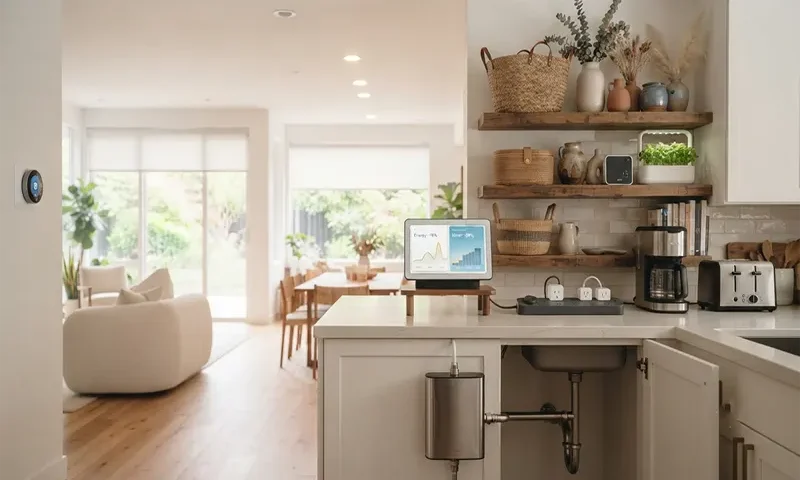
Eco-Friendly Smart Home Products to Reduce Water Waste and Monthly Electricity Bills
Modern households often function as quiet resource leaks. Without realizing it, we pay for energy consumed by empty rooms, appliances idling in standby mode, and water lost to over-watered lawns or undetected pipe drips. Fortunately, sustainability no longer requires sacrificing modern convenience.
At the intersection of technology and conservation, smart home automation makes eco-friendly living effortless. Investing in eco-friendly smart home products is a win-win strategy that slashes monthly utility bills while protecting our most precious natural resources.
Smarter Energy Management: Taming Electricity Bills
Heating, cooling, and phantom electrical loads account for the lion’s share of household energy waste. Intelligent devices step in to optimize these systems without requiring manual micromanagement.
- Smart Thermostats: Devices like Google Nest and Ecobee utilize learning algorithms and geofencing to optimize heating and cooling based on your daily schedule, local weather patterns, and occupancy. By automatically lowering or raising temperatures when nobody is home, they
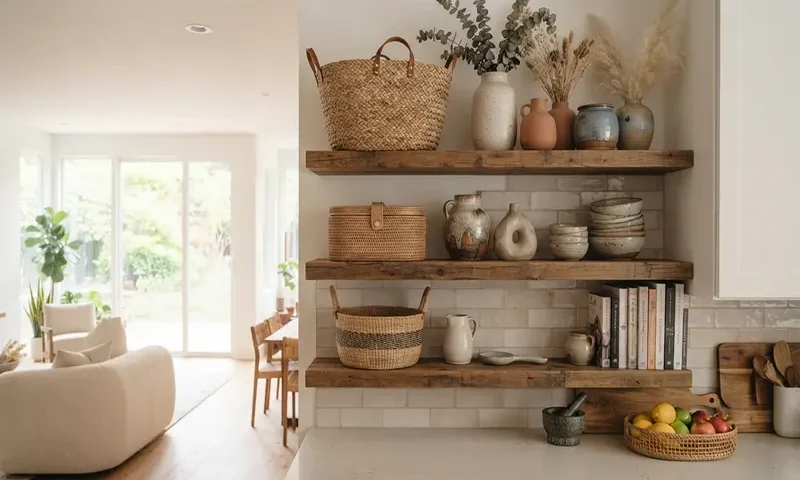
How to Arrange Signature Homestyle Baskets and Pottery Vases on Open Kitchen Shelves
Open kitchen shelving has revolutionized modern interior design. Moving away from heavy, closed upper cabinets, homeowners are embracing airy layouts that invite light, air, and personality into the heart of the home. Yet, anyone who has ever tried open shelving knows the delicate line between a thoughtfully curated display and a cluttered, overwhelming mess.
The secret to mastering this design challenge lies in material harmony. Pairing textured homestyle baskets with organic pottery vases creates the ultimate balance of hidden functionality and artisanal beauty, turning everyday storage into intentional art.
The Power of Texture: Why Baskets and Pottery Belong in the Kitchen
Kitchens are inherently filled with hard, reflective surfaces—quartz countertops, stainless steel appliances, ceramic tile backsplashes, and smooth wood cabinetry. While sleek, these elements can sometimes feel cold or clinical.
Natural materials act as an instant antidote to this harshness. Woven rattan, seagrass, and willow baskets introduce warmth and intricate … Read the rest >>>>
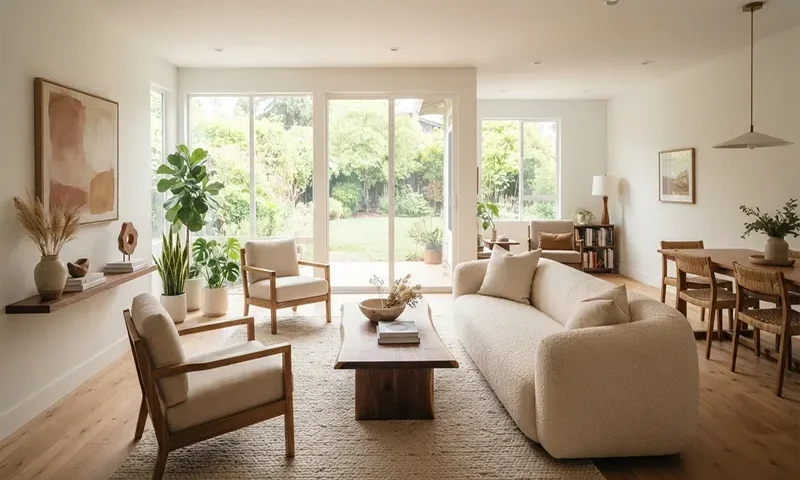
Minimalist Warm Living Room Design Ideas Without a TV as the Focal Point
When we walk into a conventional modern home, the room’s layout almost always answers to a single master: the black rectangle of the television. Couches hug the perimeter, pointing inward like spectators in an auditorium, while cables and media consoles dictate the flow of the room. Yet, a growing counter-movement is redefining how we gather.
By embracing warm minimalism—a design philosophy that marries clean lines with cozy, tactile comfort—we can liberate our living spaces from screen-centric layouts. Designing a living room without a TV as the focal point allows the space to evolve into a true sanctuary for conversation, creativity, mindfulness, and relaxation.
The Psychology of a Screen-Free Living Room
Removing or hiding the television fundamentally alters the energy of a room. In a world saturated with digital notifications and constant visual stimulation, a screen-free living space offers an immediate psychological exhale, reducing digital fatigue and encouraging mental unwinding.
When … Read the rest >>>>
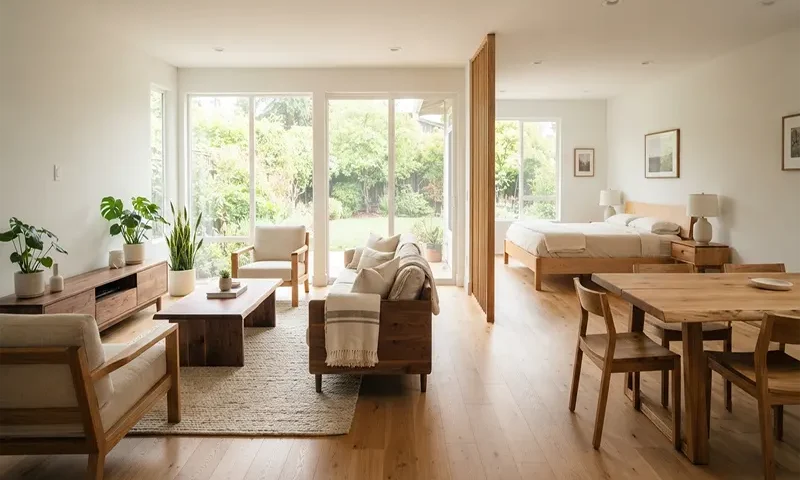
Non-Toxic Solid Wood Furniture Brands for Better Indoor Air Quality and Low VOC Homes
When we think about pollution, our minds instantly drift to smog-choked highways, industrial smokestacks, and crowded urban centers. Rarely do we look inward at the very spaces designed to protect us. Yet, according to the Environmental Protection Agency (EPA), indoor air pollution can be two to five times—and occasionally up to 100 times—higher than outdoor air.
One of the largest, most insidious contributors to indoor air pollution hides in plain sight: your furniture. Mass-market flat-pack pieces and conventional home furnishings often act as chemical time bombs, quietly releasing invisible toxins into your living space. Upgrading to 100 percent solid wood furniture with non-toxic finishes is one of the most effective ways to safeguard your indoor air quality and build a truly healthy, low-VOC home.
The Hidden Dangers: Why Conventional Furniture Compromises Indoor Air Quality
Walk into a standard furniture warehouse, and you will likely be greeted by a distinct “new … Read the rest >>>>