
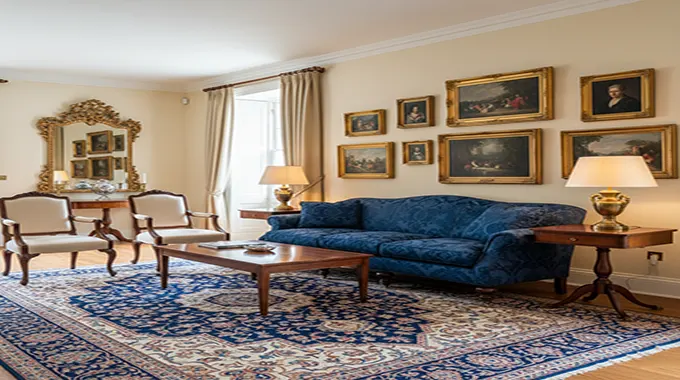
Classic and traditional interior design celebrates history, comfort, and enduring elegance. The color palette is fundamental to achieving this timeless look, moving away from fleeting trends in favor of sophisticated, grounded, and harmonizing combinations.
Here are the best color combinations that form the backbone of classic and traditional home interiors.
1. The Anchors: Elegant Neutrals and Wood Tones
The most classic interiors begin with a subdued, warm base that highlights the rich textiles and traditional architectural details.
- Creamy White & Warm Greige: This combination is the ultimate sophisticated neutral.
- Application: Use Creamy White (a white with subtle yellow or tan undertones, like Ivory or Linen) on trim, crown moulding, and ceilings. Apply Warm Greige (a balanced mix of gray and beige) on the walls.
- Why It Works: Greige offers more depth than plain beige, while the creamy white prevents the space from feeling cold. This palette perfectly complements the dark, rich tones of traditional wood furniture (mahogany, cherry, or walnut).
- Charcoal & Cream/Tan: For a more dramatic, moody classic look (often seen in libraries or dens).
- Application: Paint walls a deep Charcoal or a rich, dark gray-blue. Use Cream or Tan for sofas, curtains, and throw rugs.
- Why It Works: The high contrast adds drama and depth, anchoring the room. The lighter fabrics prevent the dark walls from feeling overwhelming and highlight the architectural elements.
2. Timeless Cool Tones: Serene and Sophisticated
Cool colors like blue and green are so versatile in traditional design that designers often consider them to be a second set of neutrals.
- Soft Blue & Crisp White: This combination offers a fresh, nautical-tinged classic appeal that never fades.
- Application: Use a Soft, Muted Blue (like powder blue or a faded cerulean) on walls. Pair this with Crisp White woodwork and window frames.
- Accents: Introduce Brass or Gold metallic accents to add warmth and contrast, preventing the cool tones from feeling too chilly.
- Muted Sage Green & Terracotta/Russet: Borrowed directly from nature, this palette offers an organic, historical feel.
- Application: Paint cabinetry or accent walls in a Muted Sage Green or soft olive. Introduce Terracotta, Russet, or Earthy Brown through patterned rugs, leather upholstery, or pottery.
- Why It Works: Green and brown are inherently harmonious. This combination is particularly excellent in kitchens and sunrooms for a warm, grounded look.
3. High-Impact Combinations: The Jewel Tones
Traditional design often utilizes rich, saturated jewel tones, particularly in formal living or dining rooms, to signify luxury and depth.
- Navy Blue & Classic Gold: A regal and dramatic pairing.
- Application: Use Navy Blue (a deep, complex blue-black) on walls or velvet upholstery. Use Gold or Antique Brass generously in lighting fixtures, mirror frames, and decorative accessories.
- Balance: Use neutral-toned curtains and rugs (creams or tans) to break up the color and keep the focus on the luxurious materials.
- Emerald Green & Deep Burgundy/Ruby Red: A festive and stately combination that speaks to Victorian and English design.
- Application: Incorporate Emerald Green in heavy velvet drapes or a central area rug. Use Burgundy in small doses on throw pillows or traditional patterns (like a tartan).
- Why It Works: These colors, opposite on the color wheel, create intentional tension and depth, especially when grounded by dark wood furniture.
Classic Color Principles to Remember
- Mute the Saturation: Traditional colors are rarely bright or neon. Opt for “muddy” or muted versions of a shade (e.g., dusty rose instead of hot pink; deep burgundy instead of cherry red).
- Highlight Wood: The color palette should always complement, not compete with, the rich wood tones (mahogany, walnut, oak) common in classic furniture.
- Use Layers: The final look is built by layering a neutral base with one main accent color, then adding a third, smaller pop of color in the accessories (e.g., Greige walls + Navy sofa + Burgundy pillows).
By choosing these proven, sophisticated color combinations, you ensure your home achieves a timeless elegance that will remain beautiful for generations.

