
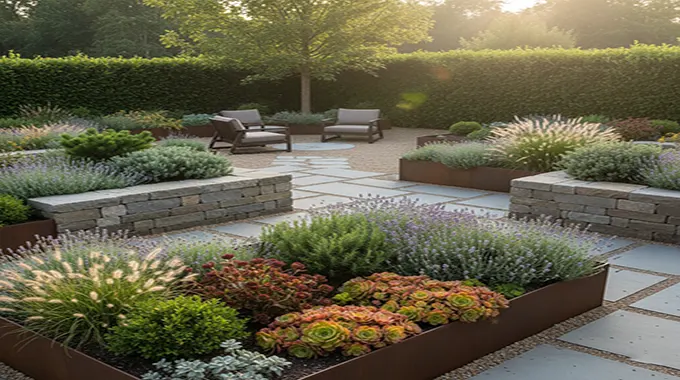
In today’s fast-paced world, the dream of a beautiful garden often clashes with the reality of a busy schedule. If you love the look of a lush outdoor space but dread the thought of constant weeding, watering, and pruning, don’t worry—you don’t have to choose between a thriving career and a thriving garden.
By prioritizing smart design and plant selection, you can create a stunning, low-maintenance sanctuary that practically cares for itself.
The Foundation: Design for Minimal Effort
The secret to a low-maintenance garden starts before the first plant is in the ground. Focus on structural elements and smart layout choices that reduce upkeep.
- Rethink the Lawn: Grass requires regular mowing, watering, and feeding. For a major reduction in work, consider significantly shrinking or ditching the lawn entirely.
- Alternative Groundcover: Replace turf with low-maintenance options like gravel gardens, clover, or hardy groundcover plants (e.g., creeping thyme or sedum).
- Expand Hardscaping: Integrate more patios, decks, or paved/gravelled pathways. Hardscaping elements (non-living materials like stone or concrete) require almost no maintenance compared to living plants and also provide usable outdoor living space.
- Install Smart Watering Systems: Eliminate the daily chore of watering with automated solutions.
- Drip Irrigation or Soaker Hoses: These systems deliver water slowly and directly to the plant roots, minimizing water waste from evaporation and ensuring plants get the right amount without you lifting a finger.
- Go Big with Containers: While small pots dry out quickly, grouping plants in large, generous containers or raised planters is much easier to manage. They retain moisture longer and can be built at a back-friendly height.
- Simplify Your Edges and Borders: Use permanent edging materials (like brick, pavers, or metal) between lawn and beds. This prevents grass from creeping into borders and eliminates the need for time-consuming edge trimming.
Smart Planting: Choosing Low-Care Stars
The right plants are the true heroes of an effortless garden. Look for those that are naturally tough, long-lived, and suited to your local climate.
| Plant Type | Key Benefits for Low Maintenance | Examples to Consider |
| Perennials & Shrubs | Come back year after year (no annual replanting); provide structure; dense planting helps block weeds. | Lavender, Echinacea (Coneflower), Sedum (Stonecrop), Pittosporum, Dwarf Conifers. |
| Drought-Tolerant | Require minimal supplemental watering once established, even in dry spells. | Succulents (Agave, Ice Plant), Rosemary, Salvia, Yarrow, Catmint. |
| Native Plants | Adapted to local soil and climate conditions; naturally hardy and often pest-resistant; support local wildlife. | Check with your local garden center for region-specific native varieties. |
| Evergreens | Provide year-round color and structure; drop fewer leaves than deciduous plants; great for borders and privacy. | Boxwood, Holly, certain Ornamental Grasses, Japanese Cypress. |
- Plant Densely: Filling beds with plants that grow close together helps smother out weeds, drastically reducing your weeding time.
- Opt for Foliage Interest: Choose plants with interesting leaf textures and colors (silvery, deep purple, variegated) that look great all year, reducing the need for seasonal bedding plants.
Minimal Upkeep Strategies
Once your low-maintenance garden is designed and planted, a few simple practices will keep it looking great with minimal time investment.
- Mulch, Mulch, Mulch: Apply a thick layer of organic mulch (wood chips, bark) to all planting beds. This is arguably the single best low-maintenance strategy as it suppresses weeds, retains soil moisture (reducing watering needs), and keeps soil temperatures stable.
- Go Natural: Embrace a slightly less manicured, more naturalistic look. A mini-meadow or letting certain plants self-seed can reduce the pressure to keep every line perfectly tidy.
- Use Technology: Invest in a robotic lawnmower if you keep some grass, or smart outdoor lighting for evening ambiance without manual control.
By thoughtfully combining hardscaping, resilient plant choices, and simple maintenance hacks, your low-maintenance garden will become a source of relaxation and pride, not just another chore on your busy to-do list. You’ll spend less time working in it and more time enjoying it.

